Complex Health Questions Deserve Deeper Answers. I Connect the Dots Others Miss.
Exposure to environmental toxins and toxicants happens all day, every day. Yet these exposures are seldom investigated when evaluating patient symptoms. This is where my work begins. I translate complex research into practical insights that help clinics better understand and address chronic health conditions.
Where I’ve Shared My Work




What Happens When the Labs Don’t Explain the Symptoms?
A patient has normal thyroid labs but persistent fatigue. Their triglycerides improve after weight loss, but fat remains in the liver. Their hormone results don’t line up with what they’re experiencing.
Environmental toxins and toxicants affect the same cells, organs, and biochemical pathways we evaluate every day. Yet their role in persistent symptoms isn’t always considered.
I believe we need to consider chemical exposures and toxic burden when assessing symptoms, labs, and test results. Otherwise, we risk overlooking an important part of the clinical picture.The data may already be there. What’s missing is the correlation.
Connecting the Dots Through Foundational Medicine
Foundational Medicine looks past symptoms to what’s driving them. My work brings together environmental exposures, laboratory findings, symptoms, and health history to understand how they may be connected.
Rather than viewing findings as unrelated, I look at what the research shows about the cells, organs, and biochemical pathways involved.Symptoms
What brought the patient in?
I start with what the patient is experiencing. Brain fog, low energy, and digestive issues may be what brought them in. I look at when those symptoms started, how they’ve changed, and what else was happening at the time.Exposure
What got into the body, and what can we measure?
I consider potential exposures to substances like mycotoxins, heavy metals, and pesticides. I review what relevant tests can measure and read those results alongside symptoms, health history, and other lab findings.Order of Care
What should we address first?
Using a Foundational Medicine lens, I bring the findings together to help the care team prioritize the next steps. That includes looking at where ongoing exposure can be reduced, how to address the toxic burden identified, and what else the patient needs as part of their care.It’s how I connect the dots.
From The Research Desk
Research, perspectives, and deeper investigations into environmental exposures, Foundational Medicine, and the body’s interconnected systems.
Foundational Medicine
Removal Comes First
Chronic illness is not random, and it is not genetic bad luck. It starts with environmental toxicants damaging the mitochondria — and that changes where treatment must begin. Read Article →Research Article
When the Terrain Changes, So Do the Microbes
How environmental toxicants and biological toxins alter intestinal defenses, microbial behavior and gastrointestinal health. Read Article →Research Article
Mitochondria: Where Toxicity Meets Dysfunction
What toxicants, toxins and pathogens do to our health at the cellular level, and why supplements may not be enough. Read Article →Research, Education & Personalized Support
01For Clinics & Practitioners
Clinical Research & Advisory
You and your team have questions about complex cases, lab results, and symptoms that don’t fully add up. But finding the research behind those connections takes time you don’t always have. I bring Foundational Medicine research and education into your practice, helping your team understand the science, answer patient questions, and provide ongoing support that keeps patients engaged between appointments.02For Individuals
Total Tox Burden Testing
You’re doing everything right, but you’re still exhausted, frustrated, or dealing with symptoms no one can fully explain. Instead of guessing, start by measuring what’s there. The Total Tox Burden Test screens for 29 mycotoxins, 20 heavy metals, and 39 environmental chemicals. I walk you through what the test found and what the peer-reviewed literature says about each of those exposures — where they act in the body, and what is established about their effects. You take that understanding, and the questions it raises, to the practitioner treating you.What Practitioners Say
Carol Egan has been an invaluable part of my foundational medicine education. She’s a wonderful bridge between high-level science and practitioners without medical training, and she explains complex concepts in a way everyone can understand. Her insight comes from a rare mix of personal experience with her own health challenges, hundreds of client case studies, and years of hands-on work in Dr. Watts’ clinic and on the CellCore education team. Carol is a researcher with heart, and she brings both to her work with clients and practitioners. On top of all that, she’s simply a lovely person to be around!Shannon South, FNTP — Root Cause Fertility Specialist
About Carol Egan
For more than seven years, I worked alongside CellCore Biosciences co-founders Dr. Todd Watts and Dr. Jay Davidson in environmental health research and clinical advisory roles.
During that time, I collaborated with practitioners, contributed to educational work, and explored the questions that arise when conventional explanations don’t fully account for complex health challenges. That experience shaped how I approach research today. I believe the most valuable insights often come from looking closely at the relationships between different bodies of evidence, asking questions others may not have considered, and remaining open to what the science does — and doesn’t — establish. Today, I bring that perspective to independent environmental health research, clinical partnerships, and individual education.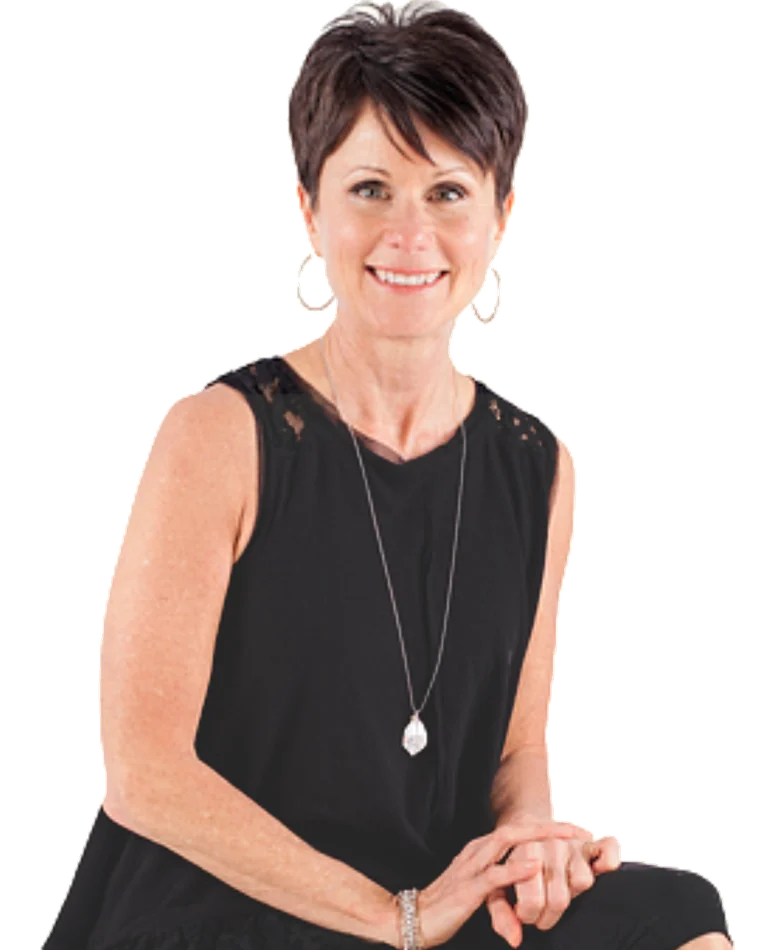
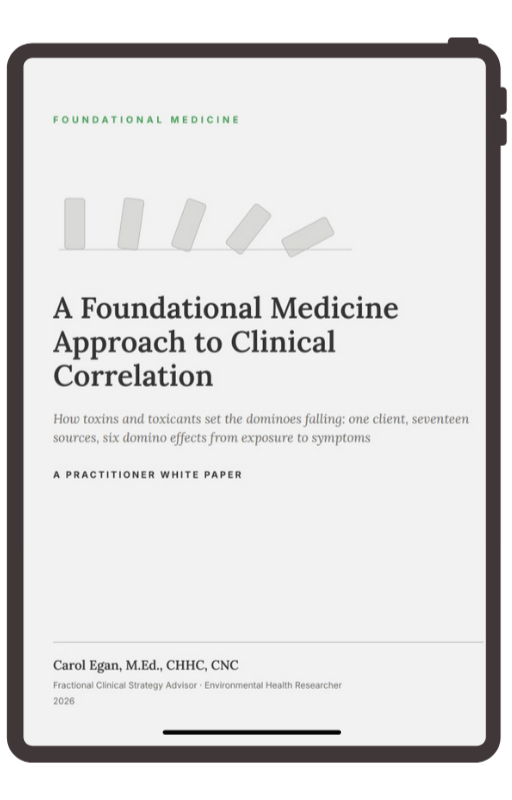
Complimentary Practitioner White Paper
When the Labs Don’t Explain the Symptoms, What Else Could Be Driving the Case?
In this practitioner white paper, Environmental Health Researcher Carol Egan reads one complex case through the lens of Foundational Medicine, bringing together seven years of clinical and environmental data to explore connections that individual tests may not reveal. See how a broader view of the evidence can reveal questions worth asking when conventional explanations leave part of the assessment out.Inside the white paper, discover:
- 17 sources of clinical and environmental data read together, from 2019 to 2026.
- Six domino effects connecting documented exposures, biological mechanisms, and clinical findings.
- The Foundational Medicine Correlation Method — Carol’s six-step approach to investigating complex cases.